









What Is the Sara Cox Challenge?
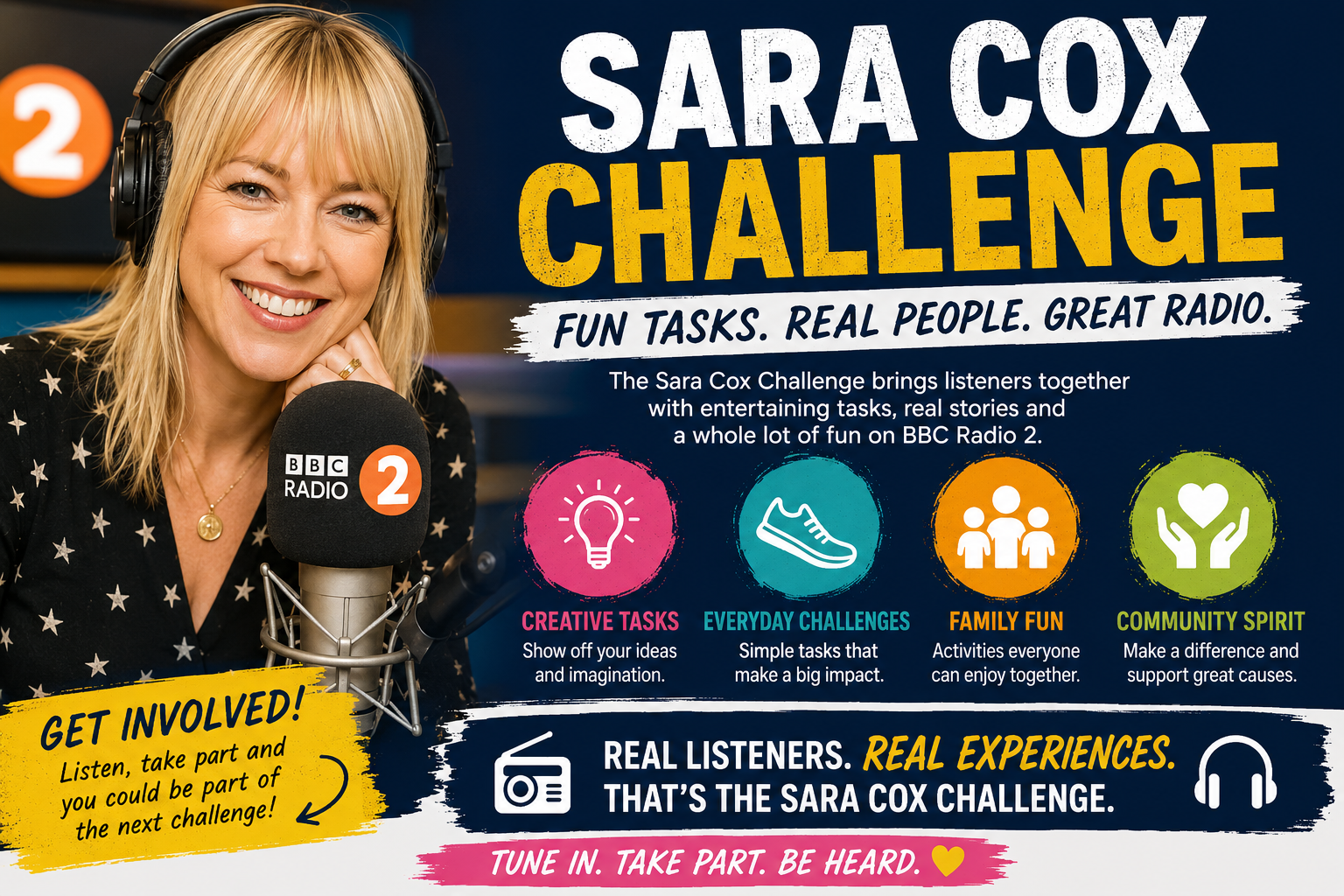
The Sara Cox Challenge refers to interactive challenge-based segments that encourage audience participation through radio broadcasts and associated media platforms.
These challenges are typically designed to:
- Entertain listeners
- Encourage community participation
- Create memorable moments
- Promote audience engagement
- Showcase listener creativity
Unlike traditional radio competitions that focus solely on prizes, challenge-based activities often place greater emphasis on participation and fun.
Many listeners enjoy the opportunity to become part of the show rather than simply listening from the sidelines.
Why the Sara Cox Challenge Is Popular
Several factors contribute to the popularity of the Sara Cox Challenge.
Authentic Audience Engagement
Modern audiences value authentic interaction. Rather than simply broadcasting content, radio presenters increasingly involve listeners in conversations and activities.
Challenges help create a sense of belonging.
Humour and Entertainment
Many challenge segments include humorous tasks that produce entertaining stories and reactions.
Listeners often tune in to hear:
- Unexpected outcomes
- Funny participant experiences
- Creative responses
- Unique interpretations of challenge rules
Community Building
Radio challenges bring people together.
Participants often share:
- Photos
- Stories
- Social media posts
- Personal achievements
This helps build a stronger listener community.
Common Types of Sara Cox Challenge Tasks
The exact nature of challenges may vary, but several common formats tend to attract audience interest.
Creative Challenges
Creative tasks encourage listeners to think outside the box.
Examples include:
- Writing short stories
- Creating themed playlists
- Designing artwork
- Sharing unique photographs
Creative challenges allow listeners to showcase their talents.
Everyday Life Challenges
Some tasks involve simple activities that listeners can complete during their normal routines.
Examples include:
| Challenge Type | Example |
|---|---|
| Walking Challenge | Walk a certain distance |
| Decluttering Task | Organise a room |
| Healthy Habit Goal | Drink more water |
| Kindness Challenge | Help a neighbour |
These challenges are often easy to join and accessible to a wide audience.
Fun Family Challenges
Family-oriented activities encourage participation across different age groups.
Examples include:
- Family quizzes
- Cooking tasks
- Household games
- Memory challenges
These activities often generate entertaining stories for radio segments.
Community Challenges
Community-focused challenges encourage listeners to contribute positively to local areas.
Examples may include:
- Charity fundraising
- Volunteering
- Environmental projects
- Supporting local businesses
These initiatives can create meaningful real-world impact.
Rules and Participation Guidelines
Although specific rules vary depending on the challenge, most listener activities follow similar principles.
Eligibility Requirements
Participants are generally expected to:
- Meet age requirements
- Follow local regulations
- Comply with competition terms if prizes are involved
- Provide accurate contact information
Fair Participation
Radio challenges aim to create equal opportunities for all participants.
Typical expectations include:
- Honest participation
- Original submissions
- Respectful behaviour
- Compliance with challenge instructions
Safety First
Safety remains an important consideration.
Participants should:
- Avoid risky activities
- Follow public safety guidance
- Use common sense
- Prioritise personal wellbeing
No challenge should encourage dangerous behaviour.
What Makes Listener Experiences Memorable?
One of the most appealing aspects of the Sara Cox Challenge is the listener experience.
Many participants report enjoying:
- Being featured on air
- Sharing personal stories
- Connecting with other listeners
- Feeling part of a larger community
The emotional connection often matters more than any reward.
Real-Life Stories and Personal Achievements
Challenges often inspire listeners to try something new.
Examples might include:
Learning a New Skill
A listener might use a challenge as motivation to:
- Start painting
- Learn a language
- Improve fitness
- Develop confidence
Achieving Personal Goals
Challenges can provide accountability.
Many participants find it easier to stay motivated when thousands of others are taking part at the same time.
The Excitement of Being Mentioned on Air
For many listeners, hearing their name or story on national radio is a memorable experience.
This creates:
- A personal connection with the programme
- A sense of achievement
- Increased engagement with future broadcasts
Benefits of Interactive Radio Challenges
Interactive radio content provides benefits for both broadcasters and audiences.
Increased Listener Engagement
Challenges encourage active participation rather than passive listening.
Benefits include:
- More audience interaction
- Greater programme loyalty
- Increased social media engagement
Building Positive Habits
Many challenges promote healthy behaviours.
Examples include:
- Exercise
- Reading
- Community involvement
- Skill development
Even small tasks can create positive routines.
Encouraging Social Connections
Shared activities naturally bring people together.
Listeners often:
- Discuss challenges online
- Share progress updates
- Support one another
- Celebrate achievements
This creates a stronger sense of community.
How the Sara Cox Challenge Compares to Other Radio Features
Radio stations use many audience engagement formats.
Here’s how challenge-based content compares.
| Feature Type | Audience Participation | Entertainment Value | Community Building |
| Traditional Competitions | Medium | High | Low |
| Phone-In Shows | High | Medium | Medium |
| Listener Challenges | Very High | High | High |
| Interviews | Low | Medium | Low |
Challenges often stand out because they combine entertainment with participation.
Why Challenges Feel More Personal
Traditional competitions typically focus on winning.
Challenges focus on:
- Experiences
- Creativity
- Participation
- Personal stories
This makes them feel more meaningful for many listeners.
Tips for Taking Part Successfully
If you plan to join a future listener challenge, these tips can help.
Read the Instructions Carefully
Always understand:
- Objectives
- Deadlines
- Submission requirements
- Eligibility criteria
Be Creative
Original ideas often attract attention.
Try to:
- Think differently
- Add personality
- Share authentic experiences
Stay Consistent
Some challenges involve longer participation periods.
Consistency often leads to better results.
Engage With the Community
Don’t participate alone.
Consider:
- Sharing updates
- Encouraging others
- Supporting fellow participants
Community engagement can make the experience more enjoyable.
The Future of Listener Challenges in Radio
The popularity of interactive content continues to grow.
Future radio challenges may increasingly include:
Social Media Integration
Listeners already use platforms to share challenge progress.
Future formats may involve:
- Live updates
- User-generated content
- Interactive voting
Digital Participation
Mobile apps and online platforms could make participation easier.
Potential features include:
- Challenge tracking
- Progress monitoring
- Digital rewards
Larger Community Initiatives
Radio programmes may expand challenges into larger campaigns involving:
- Charities
- Schools
- Local organisations
- National causes
This could strengthen the positive impact of listener participation.
Why Audience Participation Matters More Than Ever
Modern media consumers want interaction.
They no longer want to simply consume content.
Instead, they want to:
- Contribute
- Share opinions
- Join communities
- Influence conversations
The success of initiatives like the Sara Cox Challenge demonstrates how valuable audience involvement has become in today’s media landscape.
By creating opportunities for participation, radio programmes remain relevant, engaging, and connected to their audiences.
Conclusion
The Sara Cox Challenge represents everything that makes modern radio engaging: participation, creativity, humour, and community spirit. Rather than simply listening to a broadcast, audiences become active contributors, creating memorable moments and meaningful connections.
Whether the challenge involves creative tasks, personal goals, family activities, or community projects, its success lies in bringing people together through shared experiences. For many listeners, the opportunity to take part, share stories, and engage with fellow audience members is what makes these challenges truly special.
As radio continues to evolve alongside digital media, listener-focused features like the Sara Cox Challenge are likely to remain an important part of audience engagement for years to come.