










Who Is Amy Dowden?
Amy Dowden is a Welsh professional dancer best known for her appearances on the popular television show Strictly Come Dancing. She has built a successful career through years of dedication, training, and competitive ballroom dancing.
Beyond her achievements on the dance floor, Amy has become an advocate for health awareness and personal resilience. Her willingness to discuss her health experiences publicly has inspired many people facing similar challenges.
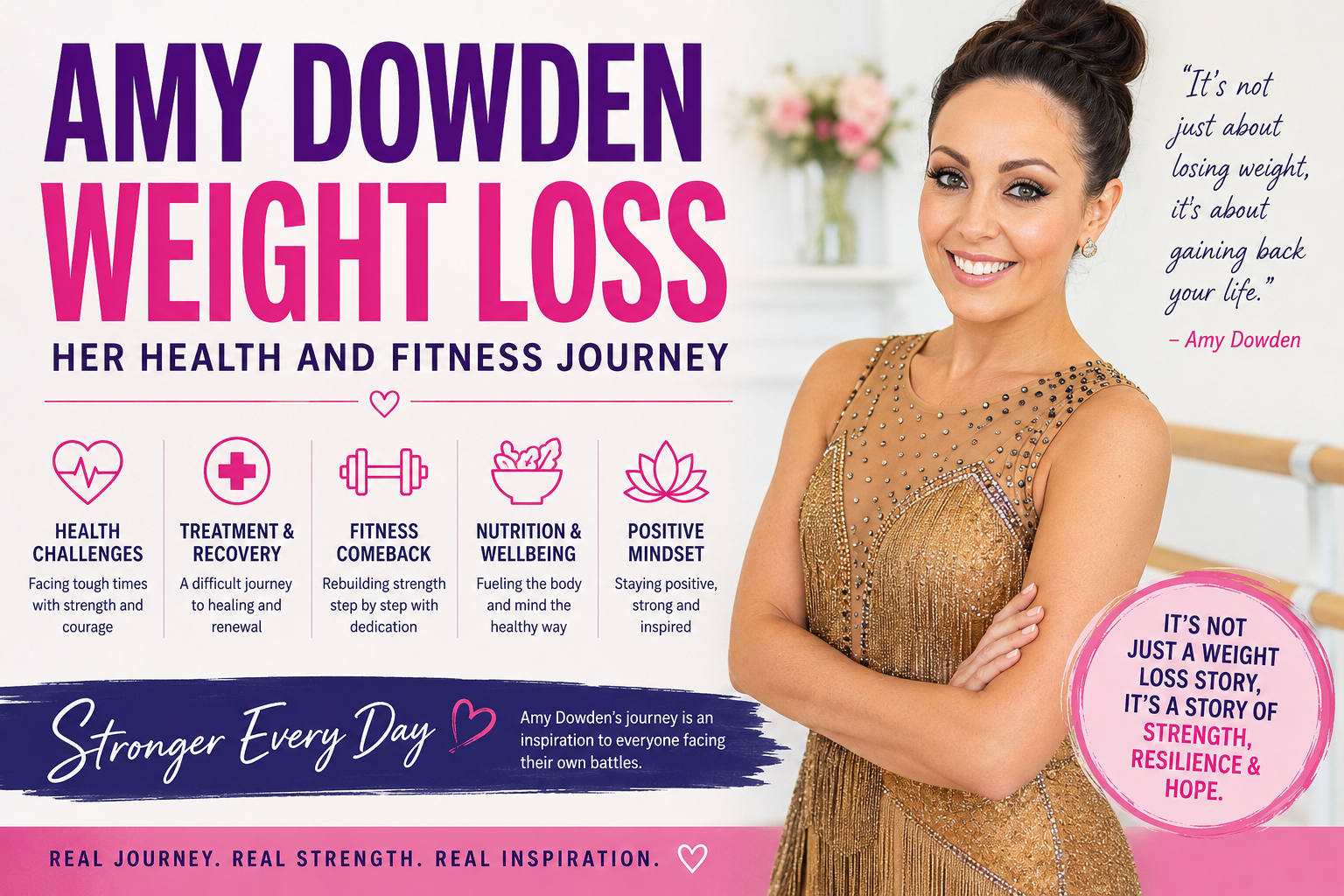
Her story is not simply about weight loss. It is about strength, recovery, determination, and finding a way forward during difficult times.
Understanding Amy Dowden Weight Loss
Many people searching for information about Amy Dowden’s weight loss are looking for details about how her appearance changed and what contributed to those changes.
Unlike celebrity weight loss stories focused on diets or fitness trends, Amy’s experience was closely linked to her health journey and medical treatment. During challenging periods, her body naturally underwent changes that affected her weight, energy levels, and overall wellbeing.
This distinction is important because it helps create a realistic understanding of weight fluctuations that can occur during major health events.
Key Factors Behind Her Weight Changes
Several factors contributed to Amy’s weight changes, including:
- Medical treatment and recovery
- Changes in appetite
- Reduced physical activity during certain periods
- Emotional stress and mental health challenges
- Gradual return to exercise and dance training
Rather than focusing solely on the number on the scale, Amy has emphasised the importance of recovery and overall health.
The Health Challenges Behind Her Journey
One of the most significant aspects of Amy Dowden’s story is the health battle she has faced.
Health challenges can affect every aspect of life, including:
- Physical strength
- Energy levels
- Daily routines
- Emotional wellbeing
- Body composition and weight
For professional dancers, maintaining physical fitness is a major part of their career. Any interruption to training can have a noticeable impact on strength, endurance, and body condition.
Amy’s journey demonstrated that recovery often requires patience and self-compassion rather than rushing back to previous fitness levels.
Why Health-Related Weight Loss Is Different
Weight loss resulting from illness differs significantly from intentional weight loss.
Intentional weight loss often involves:
- Planned exercise programmes
- Structured nutrition plans
- Fitness goals
Health-related weight loss may occur because of:
- Reduced appetite
- Medical treatments
- Fatigue
- Physical limitations
Understanding this difference helps create a more supportive and informed conversation around health and body changes.
How Treatment Affected Her Body
Medical treatments can place considerable stress on the body. During treatment and recovery, individuals may experience changes such as:
| Physical Change | Potential Impact |
|---|---|
| Fatigue | Reduced activity levels |
| Appetite Changes | Weight fluctuations |
| Muscle Loss | Reduced strength |
| Lower Energy | Less exercise capacity |
| Emotional Stress | Changes in eating habits |
For someone whose profession relies on physical performance, these challenges can feel particularly significant.
Amy’s experience highlights how recovery involves rebuilding strength gradually rather than expecting immediate results.
Amy Dowden’s Approach to Recovery
One of the most inspiring elements of amy dowden weight loss‘s journey is her positive approach to recovery.
Instead of focusing solely on returning to a certain weight or appearance, she prioritised:
- Physical healing
- Emotional wellbeing
- Long-term health
- Sustainable fitness
- Personal resilience
This approach aligns with modern health recommendations that encourage people to focus on overall wellbeing rather than chasing unrealistic body standards.
Small Steps Matter
Recovery often happens through small, consistent actions.
Examples include:
- Taking short walks.
- Gradually increasing activity levels.
- Following medical advice.
- Prioritising rest.
- Maintaining a balanced diet.
These seemingly simple steps can make a substantial difference over time.
Fitness and Exercise After Treatment
As a professional dancer, movement has always been a major part of Amy’s life.
Returning to fitness after a health challenge requires careful planning and patience.
Benefits of Gradual Exercise
Appropriate exercise can support recovery by:
- Improving cardiovascular health
- Rebuilding muscle strength
- Enhancing flexibility
- Boosting mood
- Increasing energy levels
Types of Activities That Support Recovery
Depending on individual circumstances, recovery programmes may include:
Walking
Walking is one of the safest and most accessible forms of exercise.
Benefits include:
- Improved circulation
- Better stamina
- Reduced stress
Dance-Based Movement
For dancers like Amy, returning to familiar movement patterns can help rebuild confidence and fitness levels.
Strength Training
Light resistance exercises can assist in restoring muscle mass lost during periods of inactivity.
Stretching and Mobility Work
Maintaining flexibility is particularly important for dancers and active individuals.
The Importance of Nutrition and Wellbeing
Nutrition plays a critical role in recovery and overall health.
Rather than following restrictive diets, health experts often recommend a balanced approach that includes:
Protein-Rich Foods
Protein supports:
- Muscle repair
- Strength recovery
- Tissue healing
Examples include:
- Fish
- Eggs
- Lean meats
- Beans
- Lentils
Fruit and Vegetables
These foods provide:
- Vitamins
- Minerals
- Antioxidants
- Fibre
Healthy Fats
Healthy fats support:
- Hormonal balance
- Brain function
- Overall health
Examples include:
- Avocados
- Nuts
- Seeds
- Olive oil
Staying Hydrated
Proper hydration can improve:
- Energy levels
- Digestion
- Recovery processes
Amy’s journey highlights the importance of nourishing the body rather than focusing solely on calorie reduction.
Mental Health and Positive Mindset
Physical recovery is only one part of the process.
Mental wellbeing often plays an equally important role.
Common Emotional Challenges During Recovery
People experiencing significant health challenges may face:
- Anxiety
- Stress
- Frustration
- Loss of confidence
- Uncertainty about the future
Maintaining a positive mindset does not mean ignoring difficulties. Instead, it involves acknowledging challenges while continuing to move forward.
How Amy Inspired Others
Many fans admire Amy because she has shown:
- Honesty
- Courage
- Vulnerability
- Determination
Her openness has encouraged conversations about health, recovery, and self-care.
Lessons From Amy Dowden’s Journey
Amy’s experience offers several valuable lessons.
1. Health Comes Before Appearance
Long-term wellbeing should always take priority over aesthetic goals.
2. Recovery Takes Time
There is no universal timeline for recovery. Everyone progresses at their own pace.
3. Strength Is More Than Physical
Mental resilience can be just as important as physical fitness.
4. Small Improvements Add Up
Consistent effort often produces meaningful results over time.
5. Support Systems Matter
Family, friends, healthcare professionals, and communities can play a vital role during challenging periods.
Common Misconceptions About Weight Loss
The discussion surrounding celebrity weight loss often leads to misconceptions.
Myth 1: Weight Loss Always Means Better Health
Reality: Health cannot be judged by weight alone.
Myth 2: Fast Results Are Best
Reality: Sustainable progress is typically healthier and longer lasting.
Myth 3: Everyone Should Follow the Same Plan
Reality: Individual circumstances vary significantly.
Myth 4: Exercise Alone Causes Weight Loss
Reality: Health outcomes are influenced by multiple factors, including nutrition, sleep, stress, and medical conditions.
Myth 5: Recovery Is Linear
Reality: Progress often includes setbacks and challenges.
Conclusion
The story behind Amy Dowden weight loss is far more meaningful than a simple discussion about appearance. It is a story of resilience, determination, and prioritising health during a challenging period of life.
Amy’s journey reminds us that weight changes can occur for many reasons, particularly during significant health events. Her focus on recovery, wellbeing, and gradual rebuilding of strength provides an inspiring example for anyone facing physical or emotional challenges.
Rather than pursuing unrealistic ideals, her experience encourages a healthier perspective: prioritise wellbeing, celebrate progress, and remember that true strength comes from perseverance and self-care.